

Creating 3D floor plans can be a game-changer in visualizing architectural designs and understanding spatial layouts. Whether you're an architect, interior designer, or homeowner, mastering the art of producing perfect 3D floor plans can significantly enhance your projects. Let's dive into the essential steps and considerations for crafting accurate and visually appealing 3D floor plans.
Understanding the Basics of 3D Floor Plans
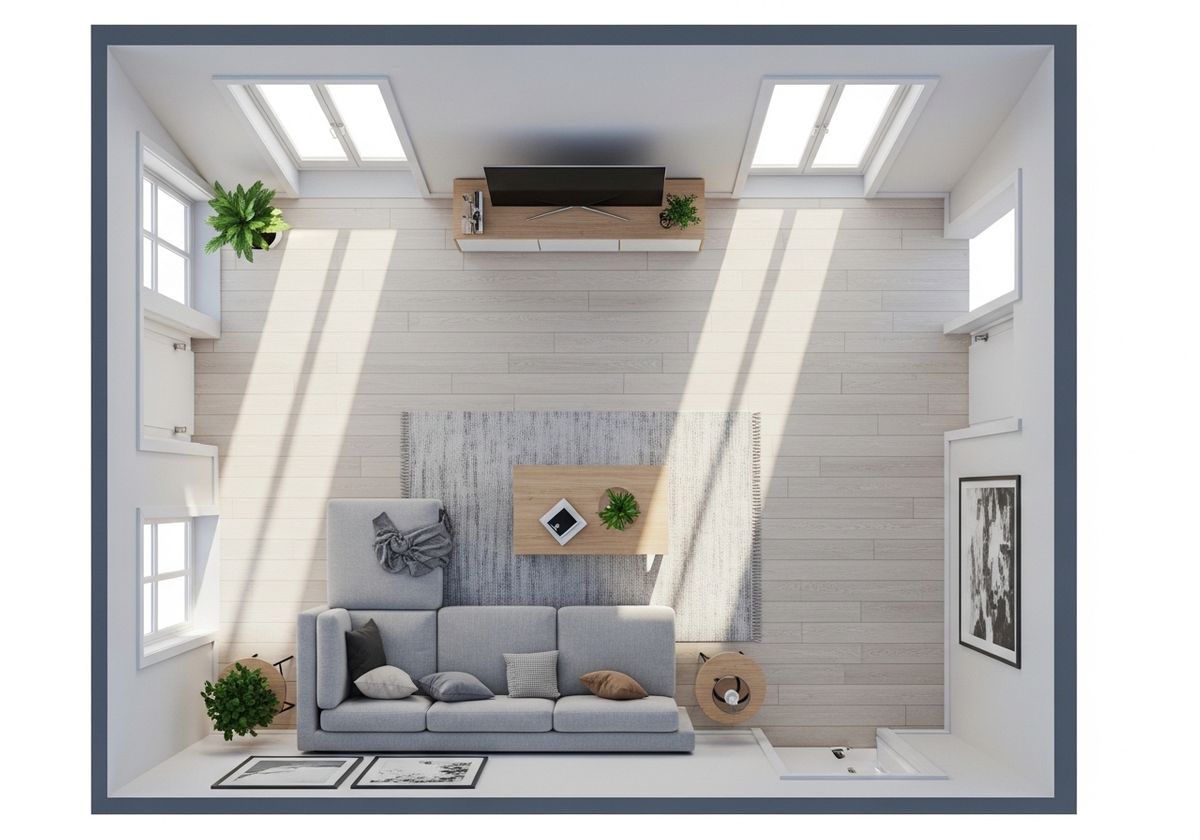
Before diving into the creation process, it's crucial to understand what a 3D floor plan entails. Unlike traditional 2D plans, 3D floor plans offer a comprehensive view of a space, including walls, doors, windows, furniture, and even textures and colors. This immersive representation allows for a better understanding of the space's dimensions, layout, and overall aesthetic.
Key Steps in Creating a 3D Floor Plan
1. Start with an Accurate 2D Floor Plan
The foundation of any good 3D floor plan is a precise 2D layout. Measure the space accurately and create a detailed 2D plan that includes all walls, doors, windows, and structural elements. This blueprint will serve as the base for your 3D model.
2. Build the Walls and Structural Elements
Once you have your 2D plan, begin constructing the walls and other structural components in your chosen software. Ensure that the wall heights are accurate and consistent. Pay attention to details such as door and window openings, as these will impact the overall look and feel of the 3D floor plan.
3. Add Doors and Windows
Insert doors and windows into their respective openings. Choose appropriate styles and sizes that match the architectural design. Most 3D software programs offer libraries of pre-made doors and windows, but you can also create custom elements if needed.
4. Incorporate Furniture and Fixtures
Populate the 3D floor plan with furniture, fixtures, and appliances to give it a sense of scale and functionality. Select items that complement the design style and accurately represent the intended use of each space. Arrange the furniture in a way that maximizes space and flow.
5. Apply Textures and Finishes
Add textures and finishes to the walls, floors, and furniture to enhance the visual appeal of the 3D floor plan. Experiment with different colors, materials, and lighting effects to create a realistic and inviting atmosphere. Consider using high-resolution textures for a more polished look.
At Crown Jade Design & Engineering, we understand the importance of clear, detailed, and accurate architectural and structural plans. Contact us today for consultations and assistance with your construction documents, ensuring your project is a success.