
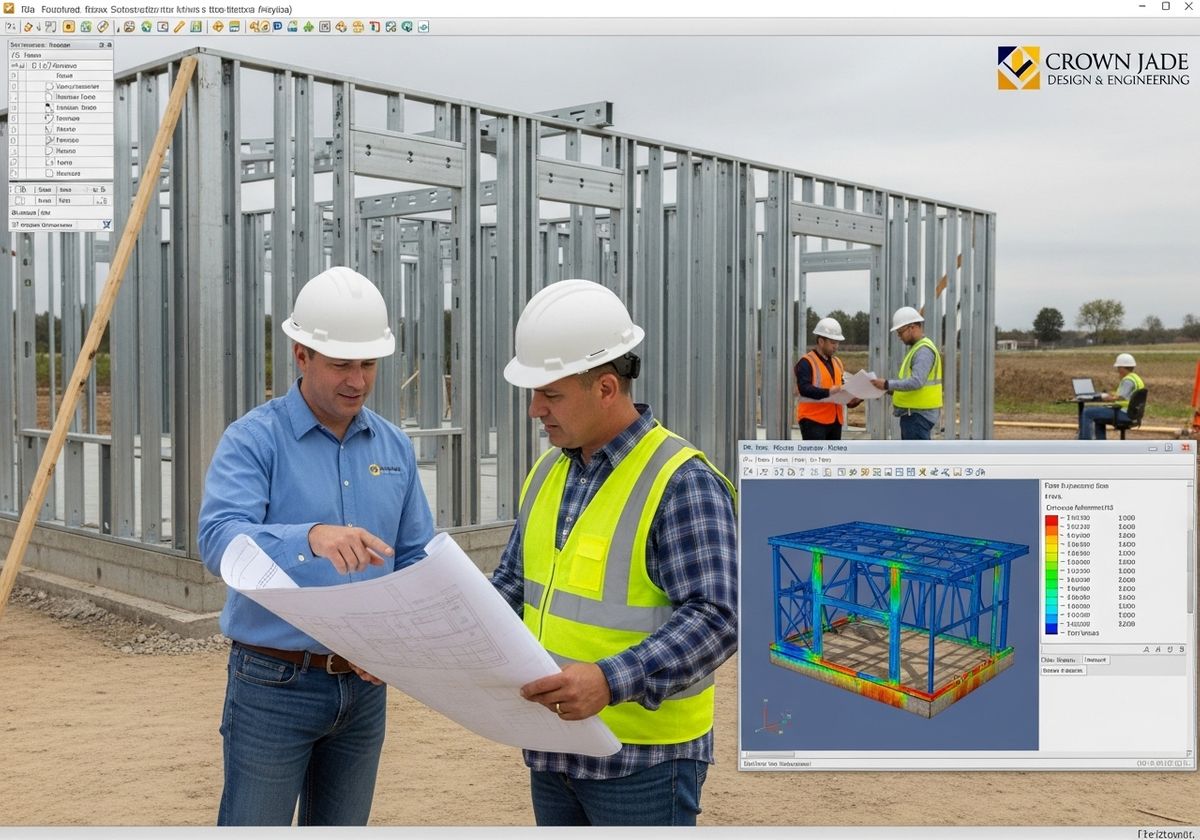
Navigating the complexities of the building frame and structural design requires a keen eye, deep understanding, and meticulous approach. Whether you're envisioning a new build or assessing an existing structure, the ability to analyze these designs effectively is paramount. This ensures not only the integrity and safety of the building but also its long-term viability and efficiency. Let Crown Jade Design and Engineering delve into the key aspects of analyzing the building frame and structural designs, providing insights that empower both seasoned professionals and aspiring enthusiasts.
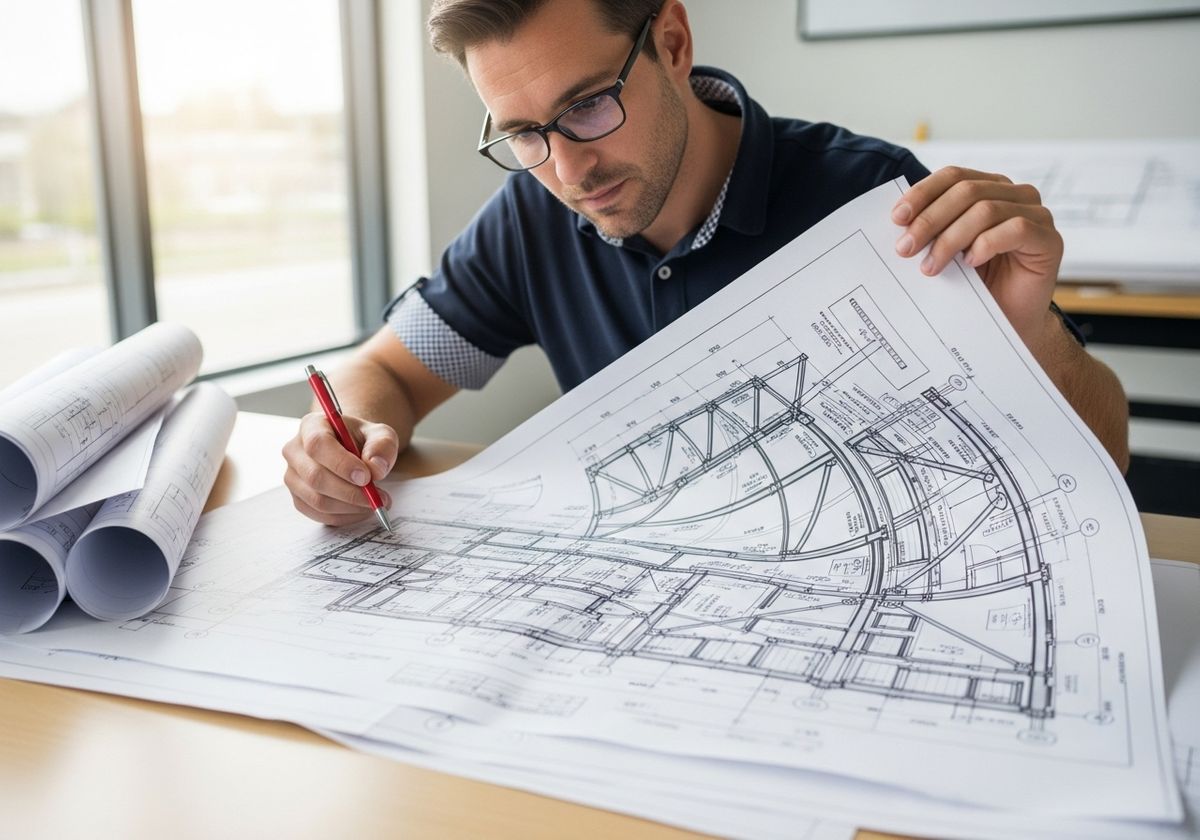
Understanding the Basics of Frame and Structural Design
Before diving into the analysis, it's essential to grasp the fundamental principles. Frame design involves creating a skeletal structure that supports the building's loads, including its own weight, occupants, and environmental factors like wind and snow. Structural design, on the other hand, encompasses the overall arrangement and dimensions of load-bearing elements, ensuring stability and preventing collapse. Expertise in structural engineering is crucial for this process.

Key Considerations in Frame and Structural Analysis
Effective analysis considers several critical factors:
Load Assessment: Accurately determining all potential loads is the first step. This includes dead loads (the weight of the structure itself), live loads (occupants and movable objects), and environmental loads (wind, snow, seismic activity).
Material Properties: Understanding the characteristics of the materials used – like steel, concrete, or wood – is crucial. Each material has unique strengths, weaknesses, and behaviors under stress.
Structural Integrity: Evaluating the ability of the structure to withstand applied loads without deformation or failure. This involves assessing stress distribution, identifying potential weak points, and ensuring adequate safety factors.
Code Compliance: Adhering to local building codes and regulations is non-negotiable. These codes specify minimum requirements for structural design, ensuring safety and public welfare.

Tools and Techniques for Effective Analysis
Modern technology offers a range of tools and techniques to aid in frame and structural analysis:
Structural Analysis Software: Programs like SAP2000, ETABS, and ANSYS allow building engineers to model and simulate structural behavior under various loading conditions.
Finite Element Analysis (FEA): A numerical technique used to predict how a structure will react to forces, heat, vibrations, etc. FEA is particularly useful for complex geometries and loading scenarios.
3D Modeling and Visualization: Creating detailed 3D models helps visualize the structure and identify potential issues before construction begins. This is where architectural drafting becomes invaluable.
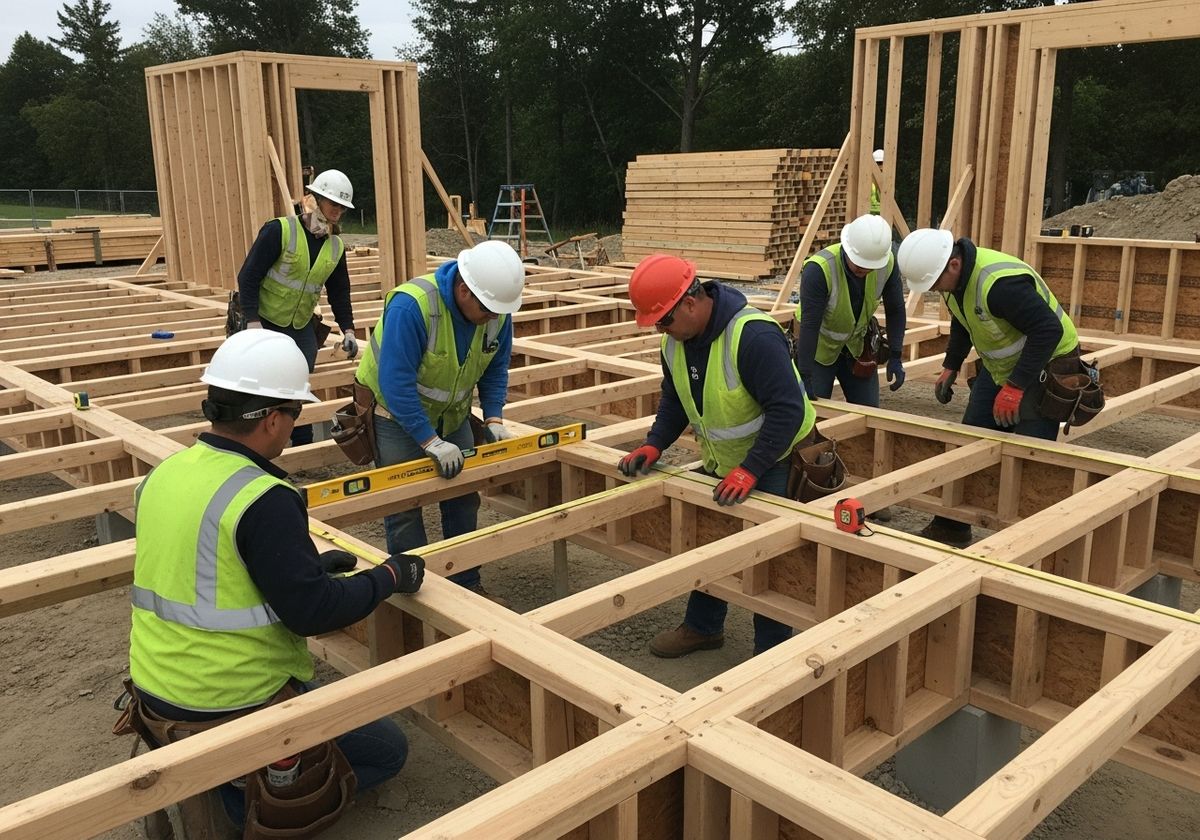
The Importance of Modular Homes
Modular home foundations offer a unique construction approach, requiring careful consideration. Analyzing the frame and structural design of modular home foundations is critical due to the prefabricated nature of the building. Ensuring proper load transfer and stability is essential for the longevity and safety of the home.
Analyzing frame and structural designs effectively requires a blend of theoretical knowledge, practical experience, and technological proficiency. By understanding the basics, considering key factors, and utilizing appropriate tools, you can ensure the integrity, safety, and efficiency of any structure. Contact us today to discuss your project and discover how our expertise can benefit you!