
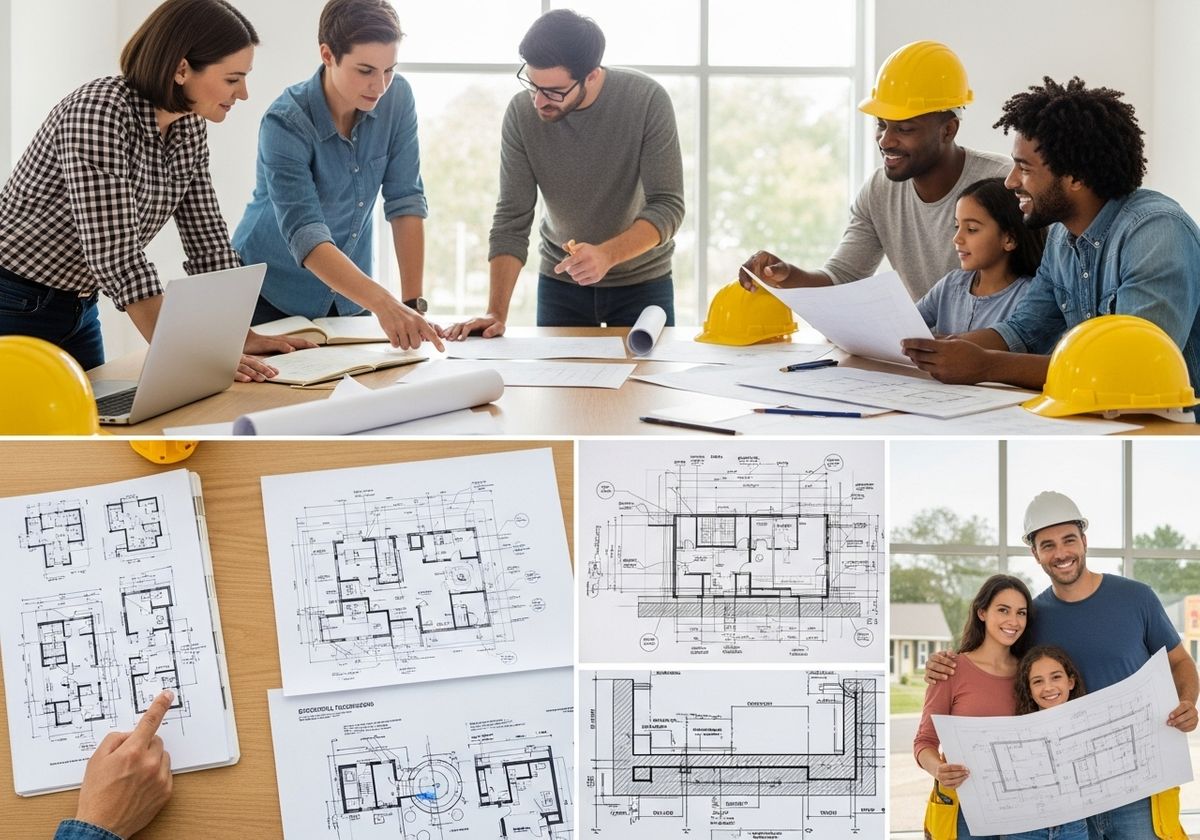
Navigating the world of construction can feel like traversing a complex maze, especially when it comes to understanding the necessary documentation. Among the most critical of these are engineering and architectural construction documents. These documents serve as the blueprint for your project, guiding every step from initial concept to final construction. Understanding their purpose and content with Crown Jade Design and Engineering is essential for project success.

What are Engineering Construction Documents?
Engineering construction documents provide the technical specifications and instructions necessary for the structural integrity and safety of a building. These documents are prepared by licensed engineers and detail the structural components of a project, including load-bearing walls, foundation systems, and support beams. They ensure that the structure can withstand environmental stressors like wind, snow, and seismic activity. Structural engineering is paramount in this phase. Common types of engineering construction documents include:
Structural Plans: These plans outline the size, type, and placement of structural elements, such as columns, beams, and foundations.
Foundation Plans: A detailed layout of the foundation system, including dimensions, reinforcement, and materials.
Grading and Drainage Plans: These plans address site grading, stormwater management, and erosion control.
What are Architectural Construction Documents?
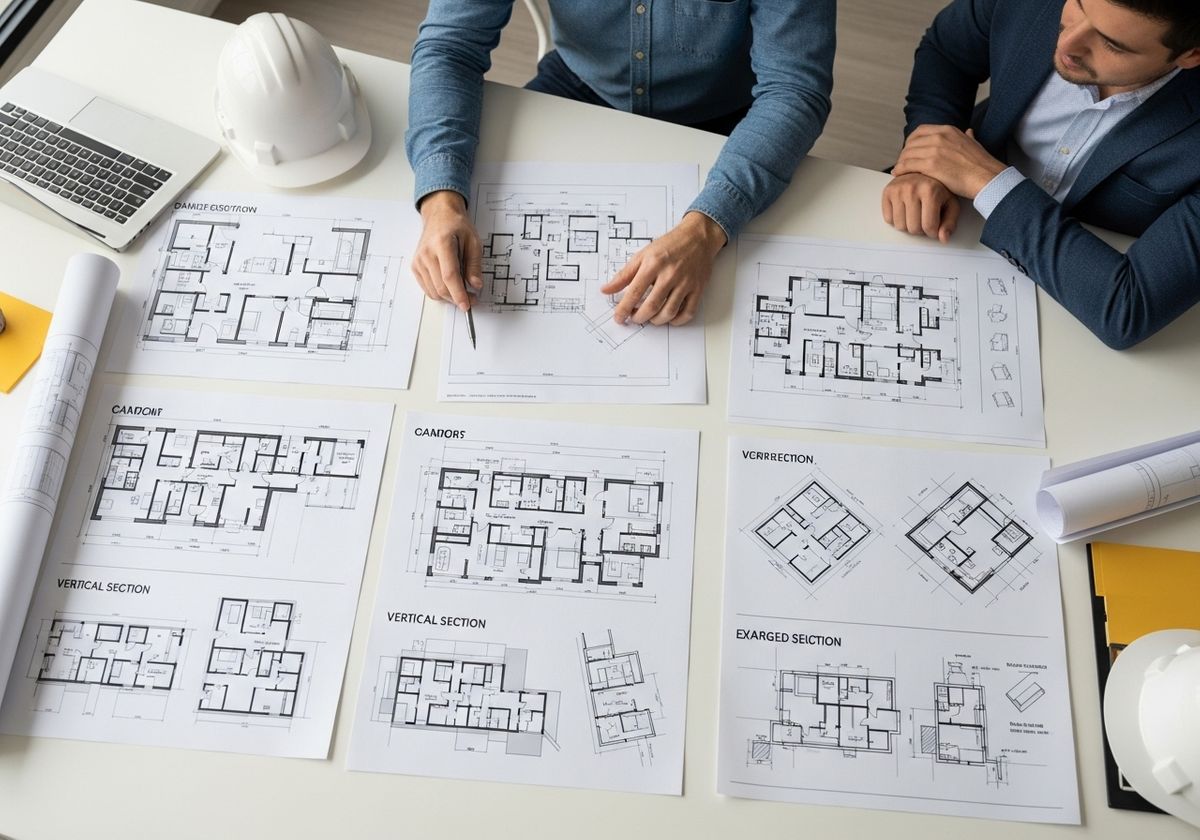
Architectural construction documents focus on the aesthetic design, spatial layout, and functional aspects of a building. These documents, typically created by architects, translate the owner's vision into a tangible design that meets building codes and regulations. Architecture drafting is a key part of this, and a few components of these construction documents include:
Floor Plans: Scaled diagrams showing the arrangement of rooms, walls, doors, and windows.
Elevations: Orthographic projections illustrating the exterior facades of the building.
Sections: Vertical cuts through the building, revealing the interior construction and spatial relationships.
Details: Enlarged drawings of specific construction elements, providing precise information on materials, dimensions, and connections.

The Interplay Between Engineering and Architectural Documents
While engineering and architectural documents serve distinct purposes, they are interdependent and must be carefully coordinated. Architects rely on engineering input to ensure their designs are structurally sound and feasible. Engineers, in turn, depend on architectural plans to understand the building's layout and spatial constraints. Collaboration between architects and engineers is essential to resolve conflicts, optimize the design, and ensure a smooth construction process.

Engineering Documents and Modular Home Foundations
Modular homes offer an innovative approach to construction, emphasizing efficiency and precision. Engineering documents play a crucial role in ensuring the structural integrity and safety of modular homes, particularly concerning their foundations. These documents detail the design and specifications for the foundation system, taking into account factors such as soil conditions, site topography, and building loads. Accurate engineering of modular home foundations is essential for preventing issues like settling, cracking, and water damage, ensuring the longevity and stability of the structure.

Why are These Documents Important?
Construction documents are more than just a formality; they are essential for the successful execution of any building project. Here's why:
Permitting and Regulatory Compliance: These documents are required by local authorities to ensure that the project complies with building codes, zoning regulations, and safety standards.
Accurate Bidding and Cost Estimation: Detailed construction documents enable contractors to provide accurate bids and avoid costly surprises during construction.
Clear Communication: Construction documents serve as a common language for all parties involved in the project, including owners, architects, engineers, contractors, and subcontractors.
Quality Control: Construction documents provide a reference for quality control inspections, ensuring that the building is constructed according to the approved design.
Understanding engineering and architectural construction documents is vital for anyone involved in the building process. These documents provide the roadmap for a successful project, ensuring structural integrity, regulatory compliance, and effective communication. Crown Jade Design & Engineering's mission is to help people achieve energy-efficient, unique, and affordable housing. Contact us today to discover how our expertise can bring your vision to life!