
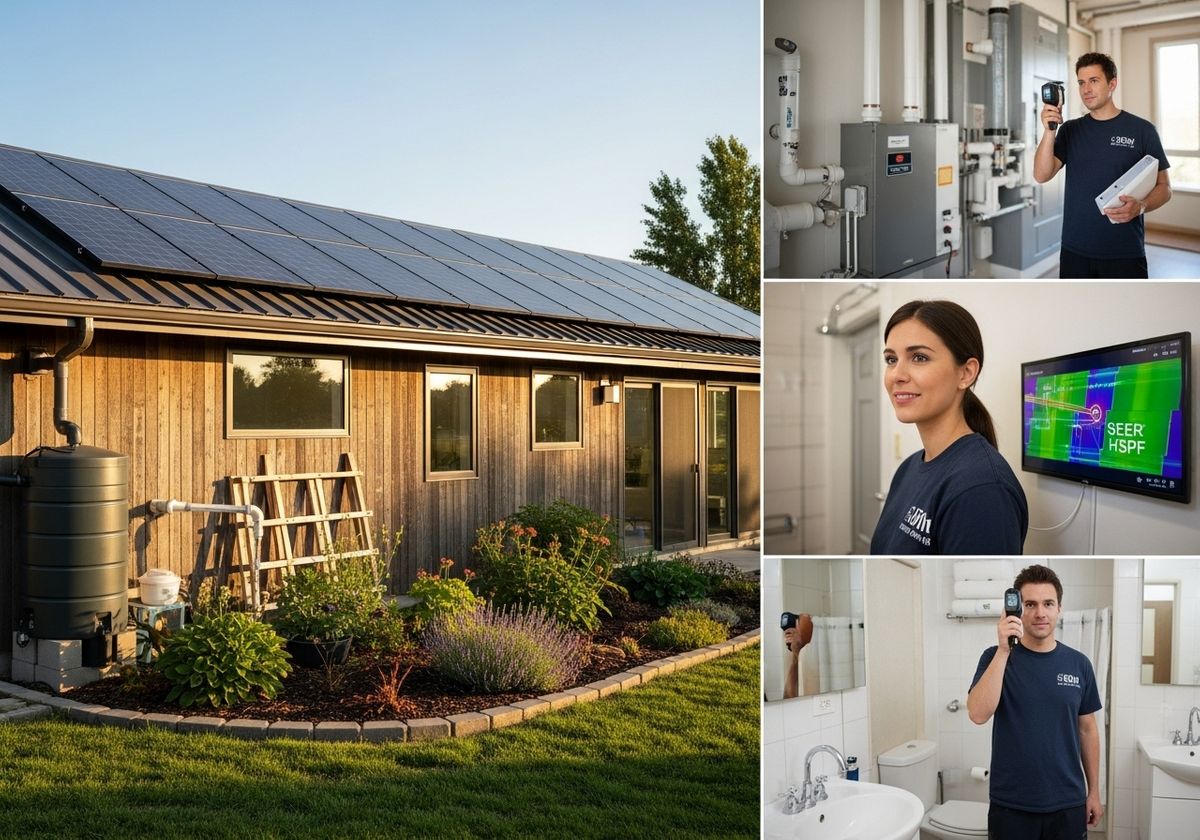
In today's world, increasing energy and resource efficiency is not just a trend, but a necessity. As stewards of our planet, it's our responsibility to minimize waste and maximize the use of available resources. For homeowners and building contractors alike, adopting energy-efficient practices can lead to significant cost savings and a smaller environmental footprint. Let's delve into practical strategies for achieving these goals.
Understanding Energy Audits
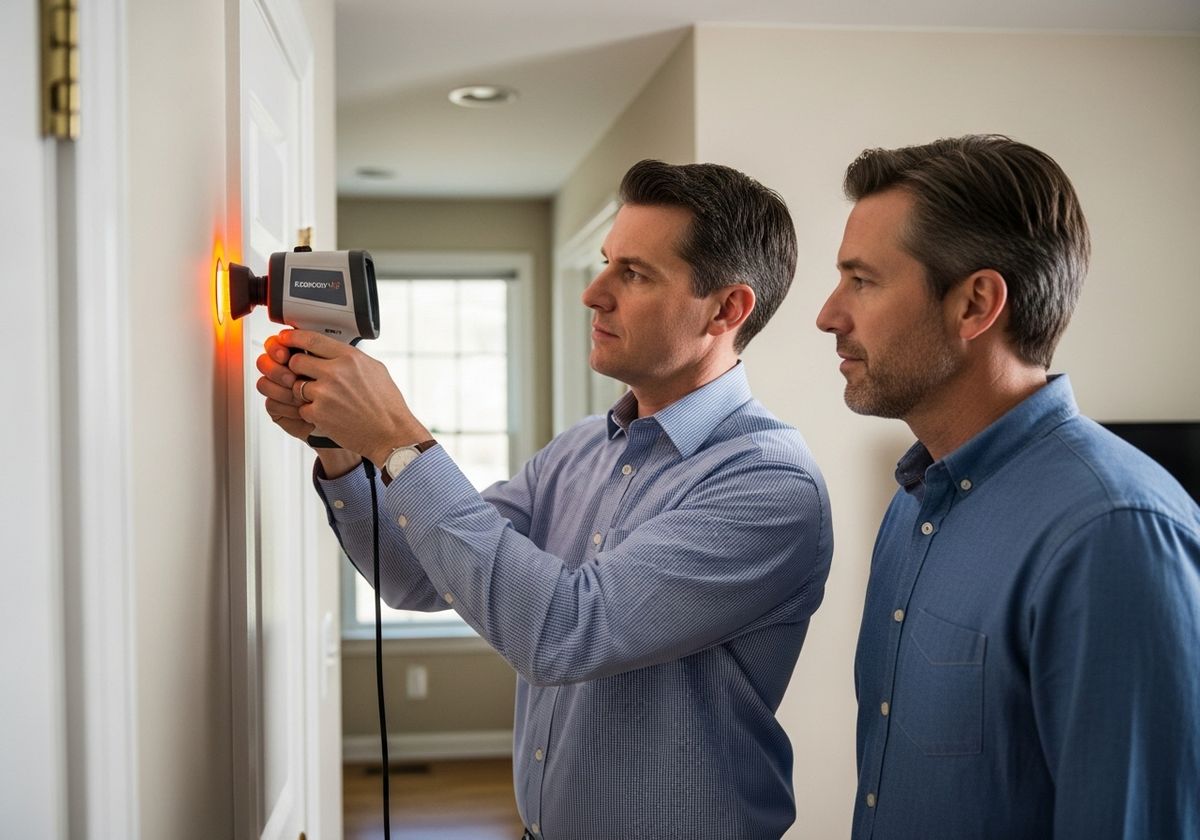
An energy audit is the first step toward efficiency. It involves a thorough assessment of your home or building to identify areas of energy loss. This can range from poor insulation to outdated appliances. Professional auditors use tools like thermal cameras to detect temperature variations and pinpoint inefficiencies. Based on the audit results, you can prioritize upgrades and improvements.
Optimizing Insulation and Sealing
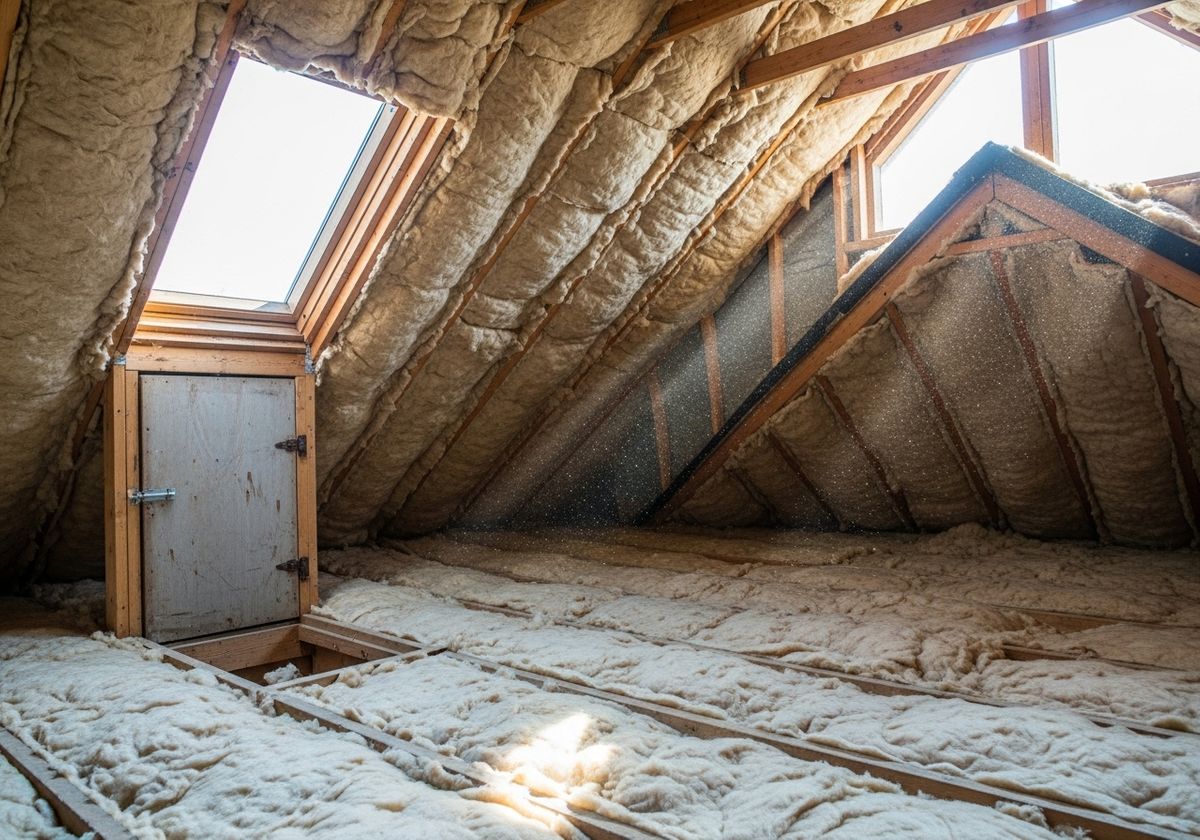
Proper insulation is crucial for maintaining a consistent indoor temperature. Inadequate insulation leads to heat loss during winter and heat gain during summer, forcing your HVAC system to work harder and consume more energy. Seal windows, doors, and other openings to prevent drafts and air leaks. Consider using energy-efficient windows and doors with low-E coatings to further reduce heat transfer.
Upgrading HVAC Systems
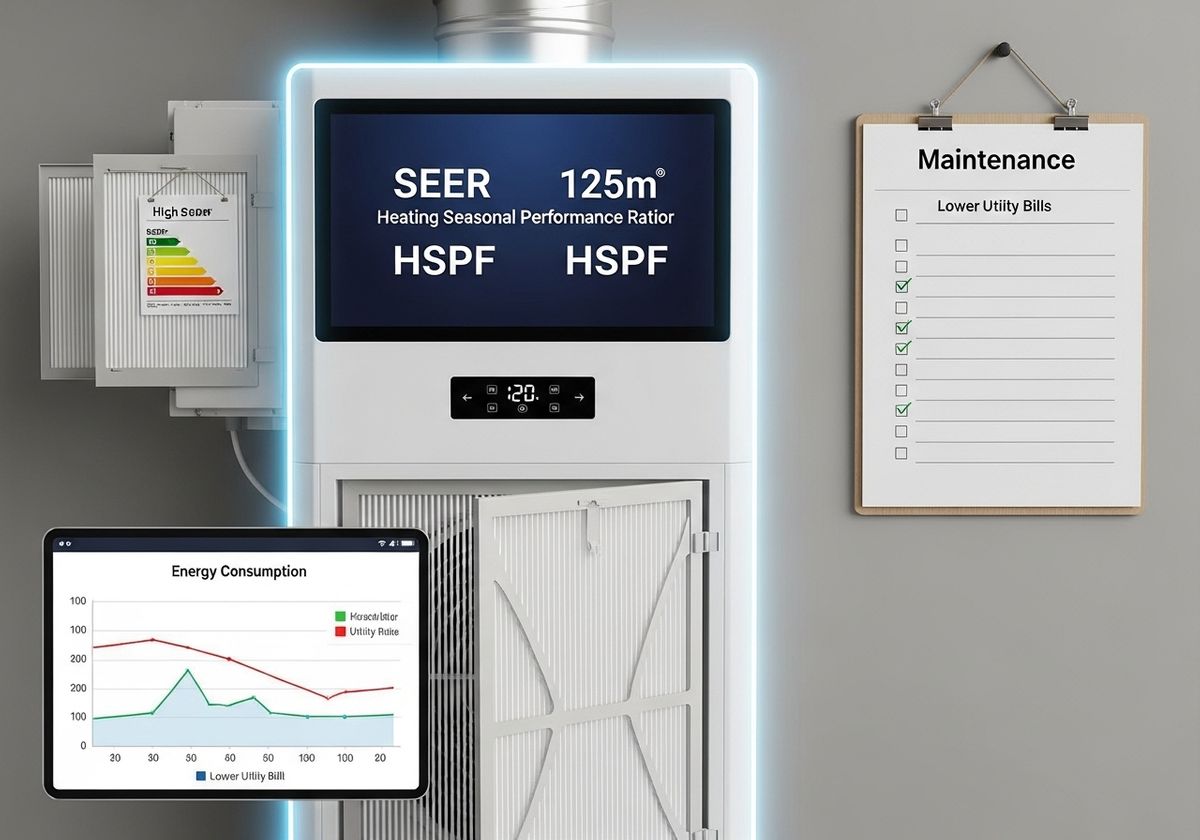
Heating, ventilation, and air conditioning (HVAC) systems are among the biggest energy consumers in most buildings. Upgrading to a high-efficiency HVAC system can significantly reduce energy consumption and lower utility bills. Look for systems with high SEER (Seasonal Energy Efficiency Ratio) and HSPF (Heating Seasonal Performance Factor) ratings. Regular maintenance, such as cleaning or replacing filters, also improves efficiency.
Embracing Renewable Energy
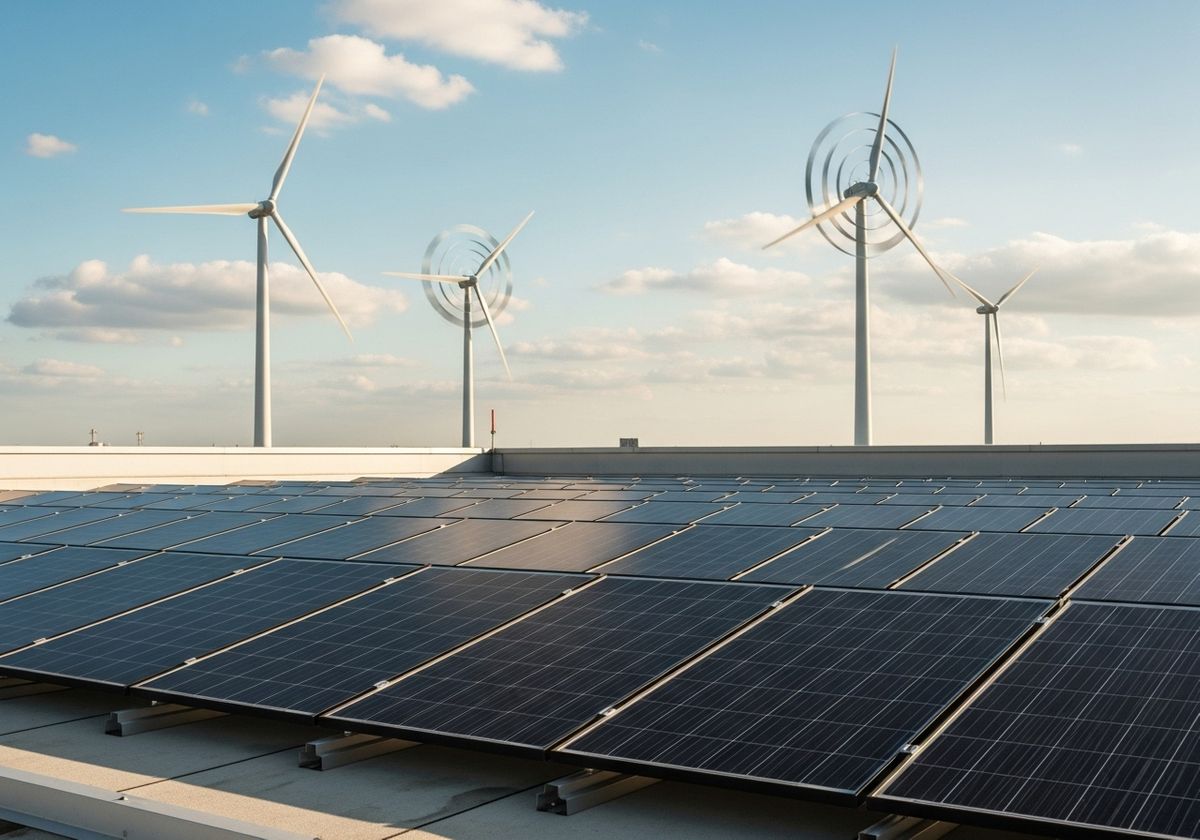
Renewable energy sources like solar and wind power offer a sustainable alternative to traditional energy sources. Solar panels can generate electricity for your home or building, reducing your reliance on the grid. Wind turbines can also be used to generate electricity, particularly in areas with consistent wind resources. Government incentives and tax credits can help offset the initial costs of installing renewable energy systems.
Water Conservation Techniques
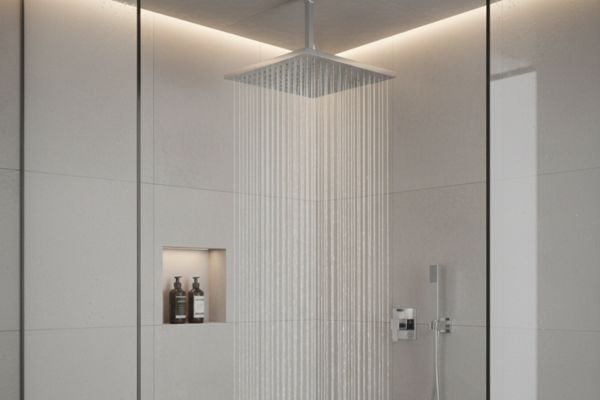
Water conservation is an integral part of resource efficiency. Install low-flow toilets, showerheads, and faucets to reduce water consumption without sacrificing performance. Repair leaks promptly to prevent water waste. Consider collecting rainwater for irrigation or other non-potable uses. Implement water-efficient landscaping practices, such as using native plants and drought-tolerant ground cover.
Sustainable Building Materials and Methods
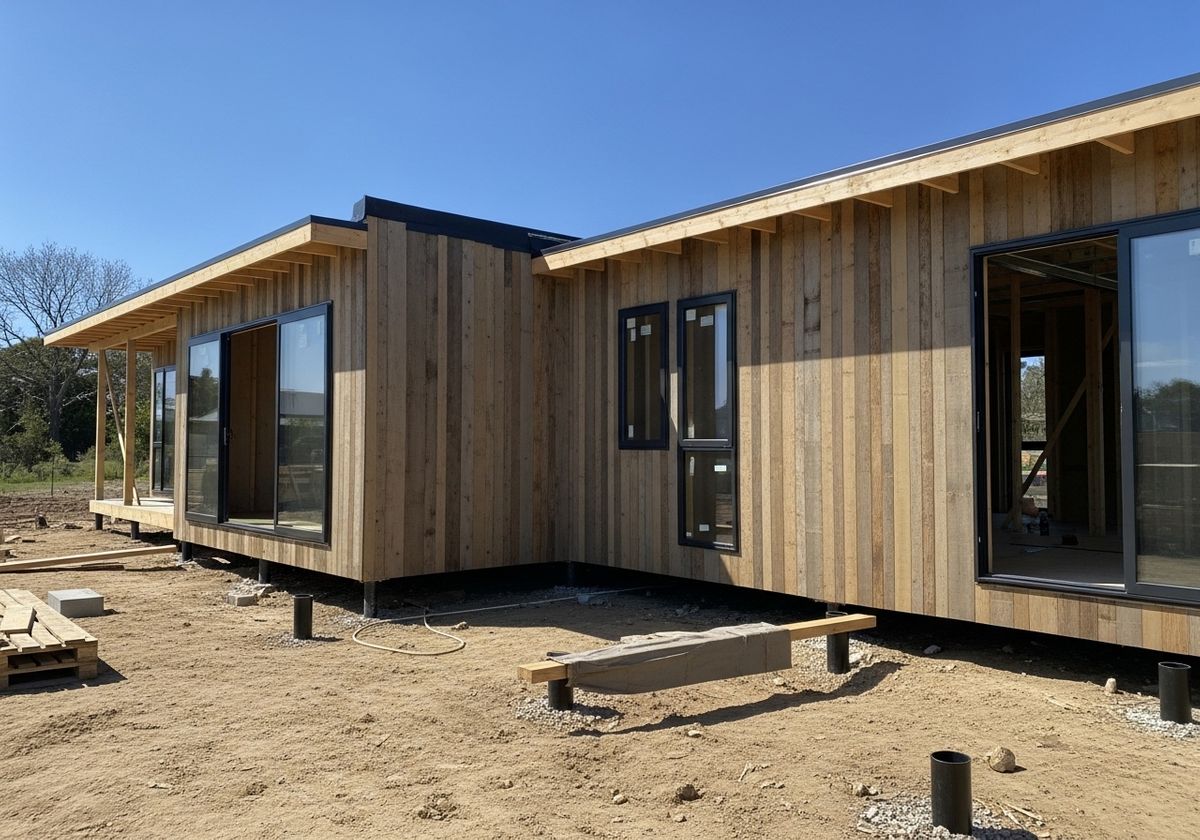
Choosing sustainable building materials can reduce the environmental impact of construction projects. Opt for materials with recycled content, such as recycled steel or reclaimed wood. Consider using alternative construction methods that can minimize waste and improve energy efficiency. These methods often involve prefabrication and precise engineering, resulting in less material waste and faster construction times.
Smart Home Technology
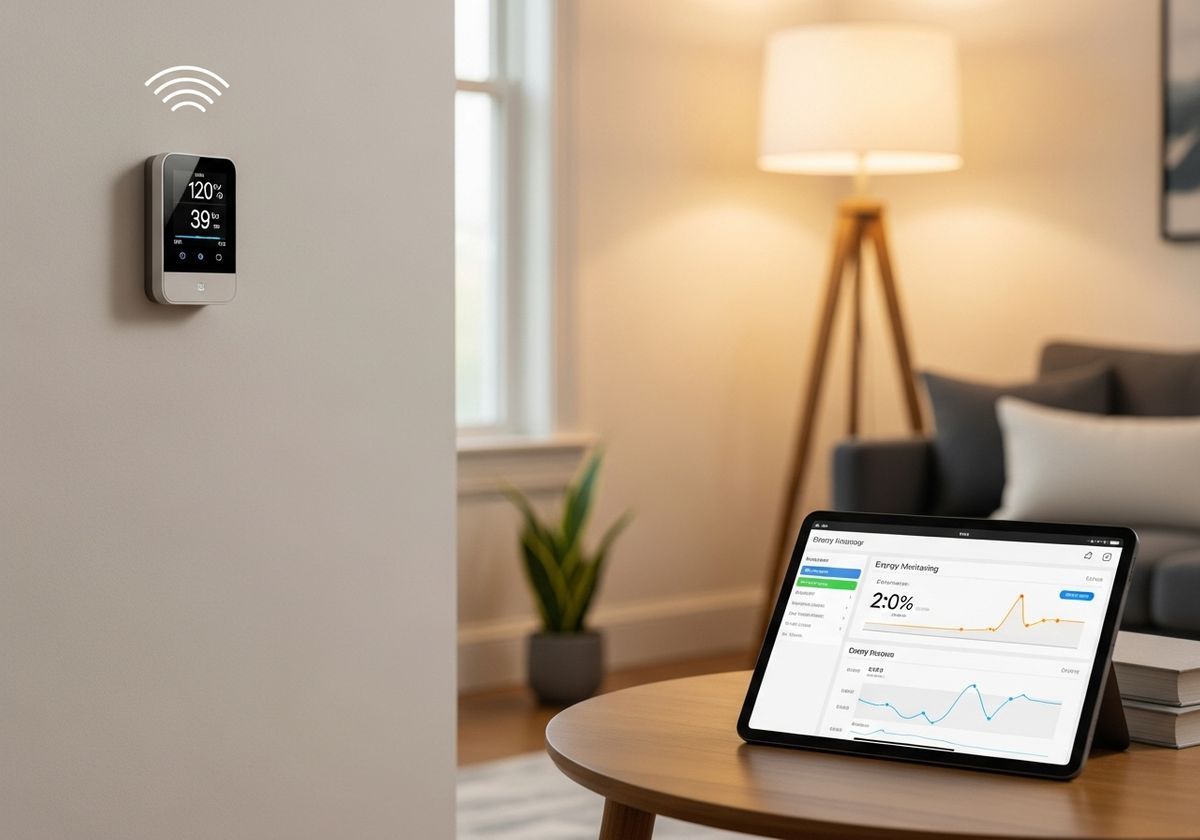
Smart home devices can help you monitor and control energy usage in real time. Smart thermostats can learn your preferences and adjust the temperature automatically, optimizing energy consumption. Smart lighting systems can dim or turn off lights when they're not needed. Energy monitoring systems can provide insights into your energy usage patterns, allowing you to identify areas for improvement.
Increasing energy and resource efficiency is a multifaceted endeavor that requires a holistic approach. By adopting these practices, you contribute to a more sustainable future while enjoying the benefits of a more comfortable and efficient living or working environment. At Crown Jade Design & Engineering, we're dedicated to helping you achieve energy-efficient, unique, and affordable housing. Our expertise in engineering and construction ensures your project is completed correctly and efficiently.